
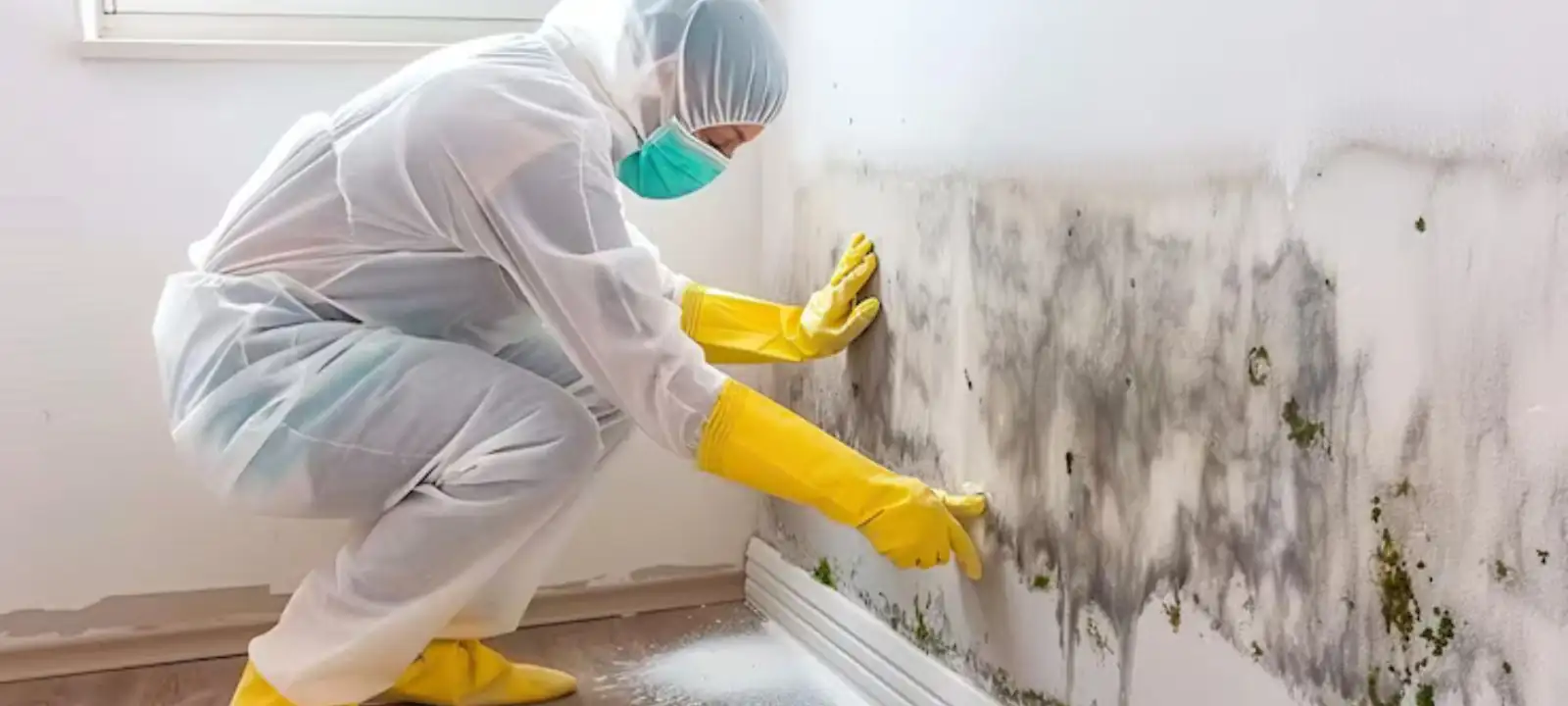
I see something on a wall or in a closet. What now?
If you found dark spots in a closet corner, along a shower ceiling or on a wall where furniture was pulled away, treat it as a moisture problem first. Mold grows where water has been, so the question is whether a leak, a condensation line or a humidity issue is still feeding it.
Common stories from callers include a toilet supply line above a finished ceiling, an air conditioner condensate line that backed up into a closet and a bathroom wall that never dried after a leak. In each case the water source is found first and the mold work follows.
Mold remediation and mold removal
The published industry standard for mold remediation is ANSI/IICRC S520, and it is fair to ask any company whether its crews work to it. A typical job sets containment with plastic barriers, use negative air with HEPA filtration, remove contaminated porous materials and clean surfaces. We do not promise that mold will not return, because that depends on moisture control.
- Fix the water source and dry the structure first.
- Contain the work area and filter the air.
- Remove porous materials such as wet drywall and insulation that cannot be cleaned.
- Clean and treat hard surfaces and framing.
- Verify that the area is clean before closing it up.
Mold removal and black mold cleanup
Black mold is a color, not a specific diagnosis, and most mold looks gray, green or dark. Surface mold on a hard, non-porous surface can sometimes be cleaned by a homeowner, and the EPA says homeowners can usually handle areas less than about 10 square feet. Larger areas, mold inside walls and mold after a flood belong to a trained crew.
Health questions belong to a physician. We focus on controlling moisture, containing the work and removing contaminated materials. If you are worried about symptoms, speak to your doctor and keep the family out of the work area.
Found mold and want an assessment? Call the dispatch line.
☎ (949) 670-0939Mold after water damage
The EPA advises drying water-damaged areas and items within 24 to 48 hours to prevent mold growth. After that window, wet drywall, pad and insulation can support mold, especially in closed cavities. A job that begins with water mitigation can often avoid mold altogether.
If a leak sat for days, the sequence is dry first, then assess, then remediate. Opening the wall shows how far the problem went, and the technician explains what comes out and what can be cleaned.
Mold testing, inspection and clearance
Many callers ask for inspection or testing. A visual inspection with moisture readings finds the water source and the extent of the problem. Independent testing before and after remediation is separate from the contractor doing the work, and it is a common way to confirm the area is clean.
If you are buying or selling a home and a lender or buyer asks for mold clearance, ask the inspector or the lender what documentation they accept. We do not promise how a lender or buyer will respond, but clear records of the moisture source, the remediation and any clearance test help.
| Step | What happens | Record you should get |
|---|---|---|
| Assessment | Locate moisture and visible mold, check surrounding areas | Photos and moisture readings |
| Containment | Barriers and negative air protect the rest of the home | Photo of setup |
| Removal and cleaning | Contaminated porous materials removed, surfaces cleaned | Written scope of what came out |
| Verification | Visual check and optional third-party testing | Clearance report if testing is used |
Mold remediation costs
Cost depends on how large the affected area is, whether the mold is inside walls or on surfaces, the materials involved, the amount of containment and how many days drying and cleaning take. A closet corner from a condensate leak is a smaller job than mold across a bathroom wall and ceiling. We explain scope and price before work starts.
Insurance and mold
The California Department of Insurance says a homeowners policy does not usually cover damage from moisture, mildew or mold that could have been avoided. Mold that follows a covered sudden leak may be treated differently, so check your policy or ask your insurer. Ask whether your state licenses mold work and ask any company whether its crews follow S520.
Mold in Aliso Viejo homes
Southern California is dry for much of the year, but the NWS record for the former El Toro station shows the heaviest rain from January through March, and storms can wet roofs, sliders and closets. Condensation from air conditioning lines is another common source in warm months. If you rent or live in a condo, tell the property manager or HOA in writing about the leak and the mold.
Once the area is clean, the rebuild is covered under water damage repair. If the water is still active, begin with emergency water removal. We also serve Laguna Niguel and nearby towns.
Common questions
Can you test my home for mold?
We can assess and take moisture readings, and independent testing before and after remediation is available through third parties. We recommend independent testing for clearance, such as for a home sale.
Will mold come back after remediation?
Remediation removes the mold that is there. Whether it returns depends on whether moisture is controlled. Fix the leak, dry the structure and manage humidity and condensation.
Is it safe to stay home during mold work?
Crews contain the work area and use filtered air machines. We may ask you to stay out of the affected rooms. For health questions, talk to your doctor.
Do I have to remove all the drywall if there is mold?
No. Only contaminated porous materials are removed, and the crew decides based on where the mold is and how far moisture traveled.
Do you handle mold caused by an air conditioner or bathroom leak?
Yes. We locate the moisture source, remove contaminated material and clean the area. The leak itself should be fixed by a plumber or HVAC technician.