
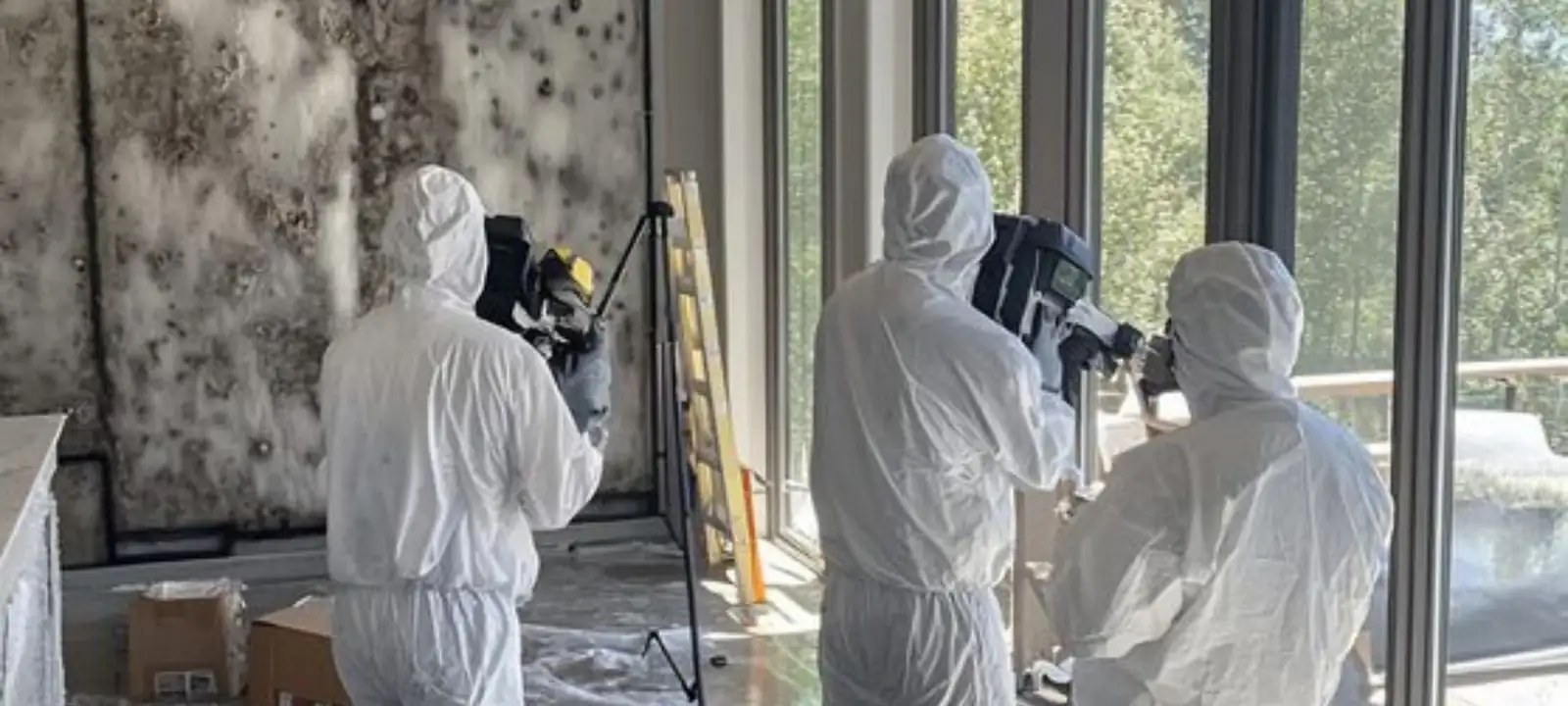
A home inspector notes dark staining under a sink. A buyer asks for a mold report. A lender says it will not fund until the problem is resolved. Suddenly a closing date depends on something that was not on anyone's list a week ago.
This guide explains the usual sequence for dealing with mold before a sale, who does what and which records help. It does not predict what any lender or buyer will accept, because those decisions belong to them.
Clearance is a check, not a certificate
People use the word clearance for a check that confirms an area has been cleaned after remediation. It can include a visual inspection, moisture readings and, sometimes, air or surface sampling. Different testers and different lenders use different criteria, so ask them which ones apply before work begins.
No single document works for every buyer or lender. Ask for the requirements in writing, forward them to everyone involved and keep the replies.
The sequence that works
The order matters more than speed. Testing before the moisture problem is fixed measures a wet building. Testing before cleaning measures a dirty one. Work backward from the closing date, but do not skip steps to fit it.
- 1
Find the water
Locate and fix the leak or humidity source that fed the mold.
- 2
Dry the structure
Dry the area until moisture readings are normal for the materials.
- 3
Remediate
Contain, remove contaminated materials and clean the area.
- 4
Verify
Have the area checked by a tester who is not doing the removal.
Independent testing and the contractor
An independent tester inspects, takes samples if the scope calls for it and writes a report. The tester does not do the removal work. That separation is why many buyers and lenders prefer an independent result, because the person who checks the work is not the person who did it.
| Role | What they do | What to ask |
|---|---|---|
| Remediation contractor | Contains, removes and cleans | Written scope, photos, moisture readings and whether crews work to ANSI/IICRC S520 |
| Independent tester | Inspects and samples, then reports | Which criteria the report uses and what it covers |
| Lender or buyer | Decides what documents are acceptable | Their requirements in writing |
| Agent or escrow | Passes documents between parties | Deadlines and where to send reports |
Inspection flagged mold? Call the 24/7 line to start the sequence.
☎ (949) 670-0939Records that help
Good records answer the questions a buyer or lender will ask. What was wet, where did the water come from and what was done about it? You can answer all three with documents instead of explanations.
- The inspector's report and photos showing what was found.
- The plumber, roofer or HVAC invoice that shows the source was repaired.
- The restoration scope with the areas removed and cleaned.
- Moisture readings from the start of drying and from the end.
- The independent tester's report.
- Photos taken before, during and after the work.
We keep photos, moisture readings and drying logs for our jobs, and we give you copies. We do not promise how a lender or buyer will respond to any report.
What if mold is behind the wall
A visible spot may be a small part of the problem. If moisture reached the cavity, the crew opens the wall past the damp edge, removes materials that cannot be cleaned and dries the framing. The mold remediation page explains the steps.
If the leak was recent, early drying can limit how much has to be removed. Water mitigation covers moisture mapping and equipment, and it is worth doing before any rebuild.
Questions buyers and lenders tend to ask
Expect the same few questions from every side. Was the source of moisture found and repaired, and can you show the invoice? How large was the affected area, and what was removed? Who checked the result, and what did the report cover? Answering these in one organized folder shortens the back and forth.
Do not guess when you do not know. If an earlier owner repaired something and you have no paperwork, say so plainly and let the tester or inspector look at the area. A clear statement of what is known and unknown is easier to work with than an explanation that falls apart later.
Small areas and large ones
A single stained patch under a sink may need a repair, a cleaning and a visual check. Mold across several rooms or inside a wall cavity needs containment, removal and a more formal check. The scope sets the timeline, so ask your crew for the scope in writing before you tell the buyer a date.
If the inspector flagged only one spot, ask whether other rooms were checked. Water travels, and a leak under a sink can also wet the cabinet base, the flooring and the wall behind it. A moisture reading around the flagged spot shows whether the problem is larger than it looks.
Planning around the closing date
Start the day the problem is found. The fix-dry-remediate-verify sequence takes time, and drying cannot be rushed. Tell your agent early, because a short extension is often easier to arrange before a deadline than after it.
Sellers and buyers in Mission Viejo and Laguna Hills face the same steps, and the 24/7 line covers both. Health questions belong to a physician.
Common questions
What does mold clearance mean?
It usually means a check that confirms an area has been cleaned after remediation. It can include a visual inspection, moisture readings and sampling. The criteria vary, so ask the tester and the lender what they use.
Should the remediation company do the testing?
Many buyers and lenders prefer an independent tester so the person who checks the work is not the person who did it. Ask your lender or buyer what they accept.
Will the lender accept my report?
We cannot say. Lenders and buyers set their own requirements. Ask for them in writing early and share your reports as soon as you have them.
How long does the process take?
It depends on the water source repair, the drying time, the size of the work and the testing schedule. Start early and ask each trade for a timeline.
Do I have to disclose mold when selling an Aliso Viejo home?
Disclosure rules are a legal question. Ask your real estate agent or an attorney what applies to your sale, and keep records of the repair.